
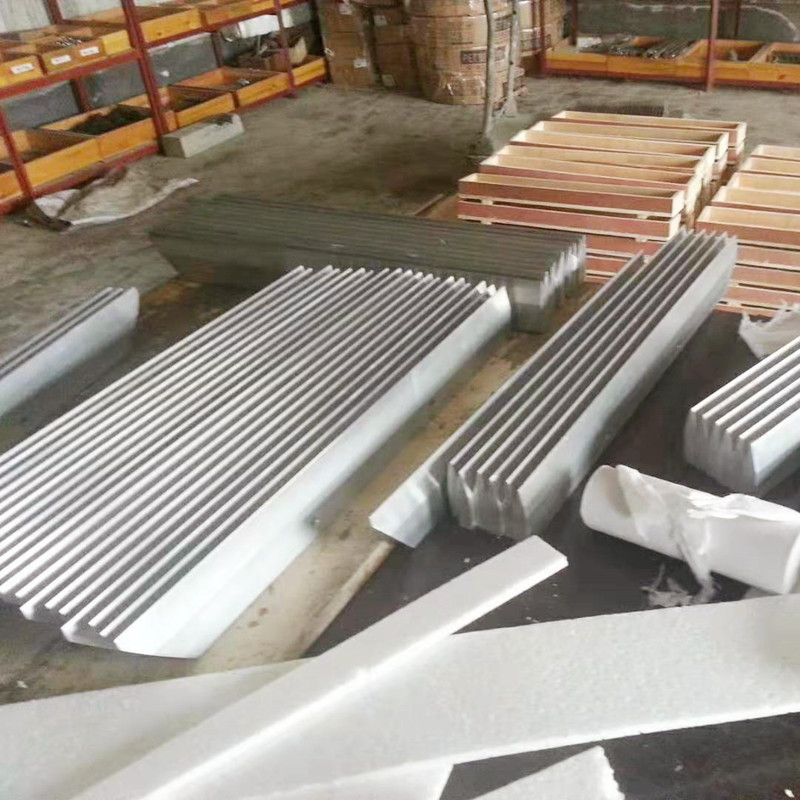
copper free standing mirror
Adjusting Your Water Pressure Valve A Comprehensive Guide Maintaining proper water pressure in your home is essential for ensuring that your plumbing system functions smoothly and efficiently. One crucial component that plays a significant role in regulating water pressure is the water pressure valve. Whether you're experiencing low pressure or high pressure, adjusting the water pressure valve can help you achieve the optimal flow throughout your home. This article will guide you through the process of adjusting your water pressure valve, ensuring you have a steady and reliable water supply. Understanding the Water Pressure Valve The water pressure valve, also known as the pressure-reducing valve (PRV), is typically located where the main water line enters your home. Its primary function is to reduce and regulate the water pressure coming from the municipal supply to safer levels suitable for household plumbing. If the pressure is too high, it can cause unnecessary wear and tear on your plumbing fixtures and appliances, while low pressure can lead to inadequate water flow, making everyday tasks like showering or washing dishes inconvenient. Tools Required for Adjustment Before you begin adjusting your water pressure valve, you'll need a few tools 1. Adjustable wrench To make adjustments to the valve. 2. Pressure gauge To measure the water pressure accurately. 3. Bucket or hose To test the flow rate during adjustment procedures. Step-by-Step Adjustment Process Step 1 Measure the Current Water Pressure Begin by measuring your current water pressure with a pressure gauge. Attach the gauge to an outdoor spigot or any faucet within the home. Turn on the water and record the pressure reading. Ideally, your water pressure should be between 40 and 60 psi (pounds per square inch). If your reading is outside of this range, it’s time to adjust your valve. Step 2 Locate the Water Pressure Valve adjusting water pressure valve Locate your water pressure valve. It is generally a bell-shaped valve that has a screw on top . Ensure that you have good access to the valve as you will need to make adjustments. Step 3 Adjust the Valve Using your adjustable wrench, you can begin to adjust the valve. To increase the water pressure, turn the screw clockwise. Conversely, to decrease the water pressure, turn the screw counterclockwise. Make small adjustments, approximately one-quarter turn, then wait for a moment to allow the pressure to stabilize. Step 4 Test the Water Pressure Again After making your initial adjustments, use the pressure gauge again to measure the water pressure. Check to see if the pressure falls within the ideal range of 40 to 60 psi. If it still requires adjustment, repeat the process, making minor adjustments until the desired pressure is achieved. Step 5 Check for Leaks Once you have the water pressure adjusted to your liking, inspect the valve and surrounding pipes for any signs of leaks. If you notice any leaks, you may need to tighten the fittings or possibly replace the valve if it is damaged. Regular Maintenance Regularly check your water pressure every few months to ensure that it remains at the desired level. If you notice fluctuations, this could indicate a problem with your pressure-reducing valve or other plumbing issues. Additionally, ensure that other plumbing fixtures and appliances are in good working condition to maintain consistent water pressure. Conclusion Adjusting your water pressure valve is a straightforward task that can enhance your home’s plumbing efficiency. With the right tools and a little patience, you can maintain optimal water pressure, prolong the lifespan of your plumbing system, and enjoy a more comfortable living environment. If you encounter any difficulties or are uncertain about the process, don’t hesitate to call a professional plumber for assistance, ensuring that your adjustments are both safe and effective.
about
copper free standing mirror
Water control valves play a crucial role in regulating the flow of water in various systems such as plumbing, irrigation, and industrial processes. There are several types of water control valves available in the market that cater to different applications and requirements. One of the most common types of water control valves is the ball valve. Ball valves use a spherical closure unit to control the flow of water. When the handle of the valve is turned, the ball inside the valve rotates to either allow or block the flow of water. Ball valves are known for their reliability and durability, making them suitable for a wide range of applications. Another popular type of water control valve is the gate valve. Gate valves use a gate or wedge-shaped disc to control the flow of water. When the valve is fully open, the gate is lifted to allow water to flow through, and when the valve is closed, the gate is brought down to block the flow. Gate valves are often used in applications where a tight seal is required, such as in pipelines or industrial processes . Butterfly valves are another type of water control valve that is commonly used in applications where a quick and easy operation is needed water control valves types . Butterfly valves use a disc that is mounted on a rotating shaft to control the flow of water. When the handle of the valve is turned, the disc rotates to either allow or block the flow. Butterfly valves are ideal for applications where space is limited and a quick response is needed. Diaphragm valves are another type of water control valve that uses a flexible diaphragm to regulate the flow of water. When the handle of the valve is turned, the diaphragm flexes to either allow or block the flow. Diaphragm valves are often used in applications where a precise and reliable control of water flow is needed, such as in pharmaceutical or food processing industries. In conclusion, water control valves come in various types to cater to different applications and requirements. Whether you need a reliable and durable valve like a ball valve, a tight-sealing valve like a gate valve, a quick and easy valve like a butterfly valve, or a precise control valve like a diaphragm valve, there is a water control valve available to suit your needs. It is essential to choose the right type of valve for your application to ensure optimum performance and efficiency.
-

High quality industrial productsagement

High quality industrial products
View Details -

Meet the diverse needs of customers

Meet the diverse needs of customers
View Details -

Strict quality control

Strict quality control
View Details -

Top raw materials

Top raw materials
View Details -

Trusted supplier

Trusted supplier
View Details
Our application


news and information
valvola di cancello
Quando si tratta di impianti idraulici o di gestione di fluidi, uno degli elementi chiave è la valvo
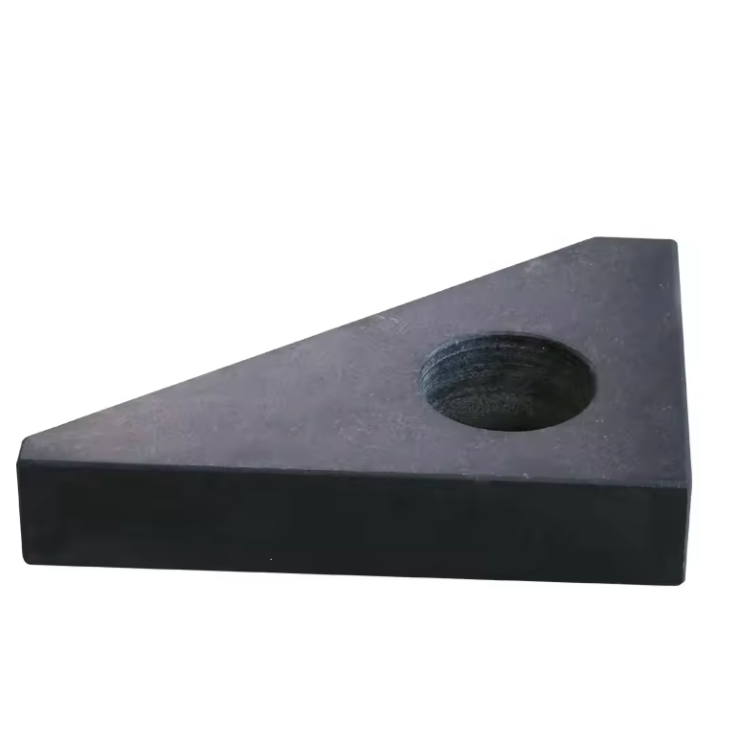
Using a Level to Accurately Mark Measurements on a Ruler
The Importance of Marking Rulers with Spirit Levels The Importance of Marking Rulers with Spirit Lev
válvula de controlo
Válvulas de Controle Essencial para a Automação Industrial As válvulas de controle desempenham um pa
 English